Geotechnical site investigation in Brantford encompasses a comprehensive range of subsurface exploration and testing services designed to characterize soil, bedrock, and groundwater conditions prior to construction. These investigations are critical for assessing ground stability, foundation bearing capacity, and potential geohazards that could impact structural integrity. In a city experiencing steady residential and commercial growth, proper investigation mitigates risk, informs foundation design, and ensures compliance with the Ontario Building Code. Professionals rely on methods such as borehole drilling, test pitting, and specialized in-situ testing to gather the data necessary for safe and cost-effective project delivery.
Brantford's geological setting is dominated by glacial deposits overlying Paleozoic sedimentary bedrock, primarily limestone and dolostone of the Detroit River Group. The overburden typically consists of glacial till, glaciofluvial sands and gravels, and glaciolacustrine silts and clays deposited during the retreat of the Wisconsinan ice sheet. The Grand River valley introduces alluvial deposits and variable groundwater conditions that demand careful evaluation. These local conditions mean that standard penetration tests alone may not suffice; advanced methods like CPT (Cone Penetration Test) are often employed to obtain continuous stratigraphic profiles and assess liquefaction potential in sandy deposits.
In Ontario, geotechnical investigations must adhere to the Ontario Building Code (OBC), which references national standards such as the National Building Code of Canada and CSA A23.1 for concrete materials. The Professional Engineers Act requires that all geotechnical reports be sealed by a licensed Professional Engineer in Ontario. Additionally, investigations near watercourses or environmentally sensitive areas may trigger requirements under the Conservation Authorities Act and the Ontario Water Resources Act. Municipal bylaws in Brantford may impose further site-specific conditions, particularly regarding excavation, shoring, and groundwater management during construction.
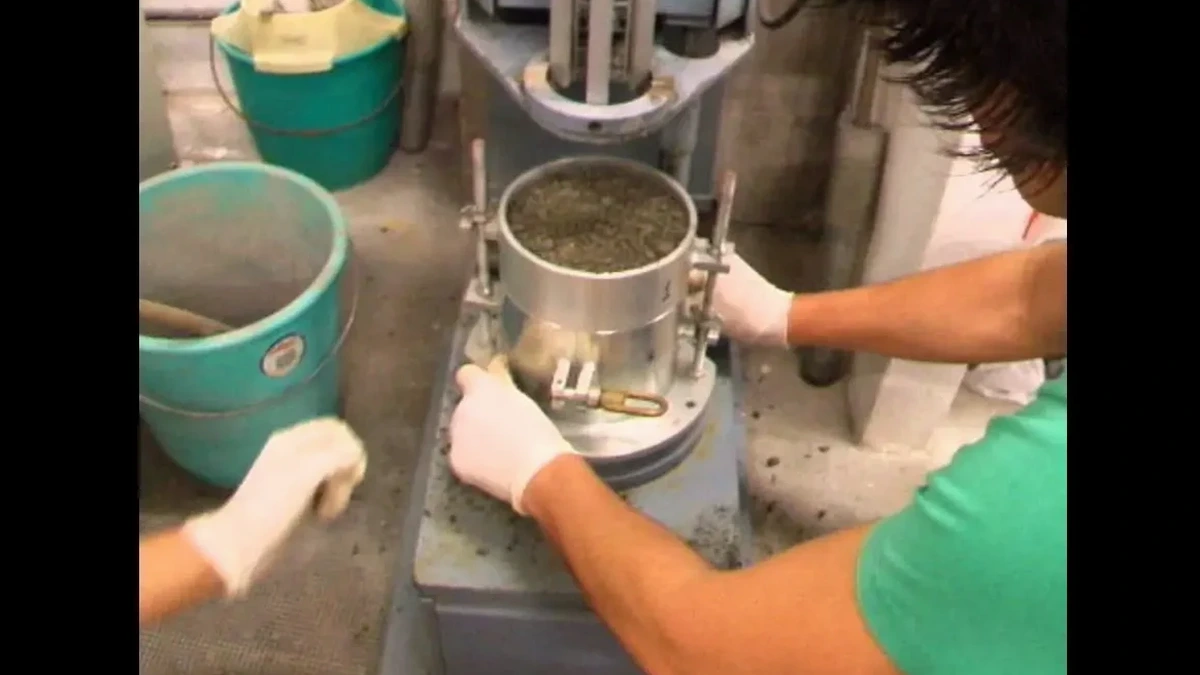
A wide array of projects in Brantford necessitate thorough geotechnical investigation. Low-rise residential subdivisions require bearing capacity and settlement analyses, while multi-storey commercial developments demand deep foundation recommendations and shoring designs. Infrastructure projects such as road widenings, bridge replacements, and sewer installations benefit from Proctor tests to optimize compaction specifications for engineered fill. Industrial facilities, including those in the city's expanding manufacturing sector, often require environmental site assessments alongside geotechnical evaluations to address potential soil and groundwater contamination. Even smaller-scale renovations and additions may trigger the need for a limited investigation if existing foundation conditions are unknown.
Available services
Questions and answers
What is the purpose of a geotechnical site investigation?
A geotechnical site investigation identifies subsurface soil, rock, and groundwater conditions to evaluate foundation support, slope stability, and construction risks. It provides essential data for structural design, ensures compliance with the Ontario Building Code, and helps avoid costly failures or delays during construction in Brantford.
When is a geotechnical investigation required for a project in Brantford?
An investigation is typically required for any new building, major addition, or infrastructure project under the Ontario Building Code. Local municipalities, including Brantford, may also mandate it for site plan approvals, severances, or where previous geotechnical information is unavailable or outdated.
What regulations govern geotechnical investigations in Ontario?
Investigations are governed by the Ontario Building Code, the Professional Engineers Act, and relevant CSA standards. Reports must be prepared and sealed by a licensed Professional Engineer. Work near water or environmentally sensitive areas may also fall under Conservation Authority and provincial water regulations.
How deep should a geotechnical investigation go for a typical residential foundation?
For a typical residential foundation, boreholes generally extend to at least 5 metres below the proposed footing elevation, or deeper if bedrock is shallow or soft soils are encountered. The exact depth depends on local geology, foundation type, and the engineer's assessment of the bearing stratum and stress influence zone.